How Much Does It Cost to Wrap a Car in the UK?
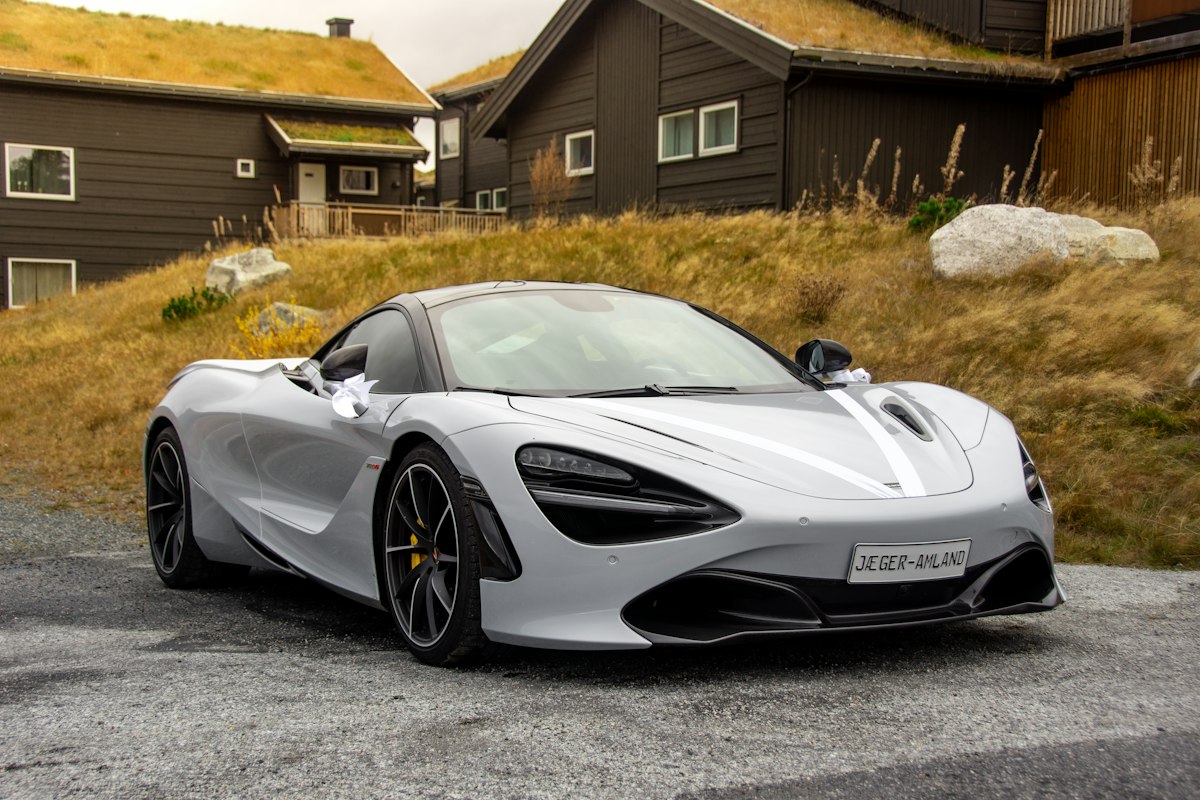
A full car wrap in the UK costs between £1,500 and £4,000 for most cars, with £2,500–£3,500 being the realistic middle for a saloon or hatchback in a standard gloss or satin finish. Chrome, colour-shift and brushed-metal films run considerably higher, sometimes £5,000 and beyond.
That's the short answer. The longer one matters more, because the gap between a £1,500 wrap and a £3,500 wrap on the same car is not the installer being greedy. It's usually two different products with two different lifespans, and the cheaper one can cost you the paint underneath.
Madlows is a marketplace for modified and performance cars. We don't wrap anything, but we do see wrapped cars come up for sale constantly, including the ones where it went wrong. This covers what it should actually cost to wrap a car here, what drives the price, the legal step most people skip, and when a wrap is the wrong call.
Typical UK car wrap prices
| Job | Typical cost |
|---|---|
| Small hatchback, gloss or satin | £1,500–£2,300 |
| Medium saloon or hatch (A3, 3 Series, Model 3) | £2,000–£3,000 |
| Large SUV or estate | £2,800–£4,000 |
| Chrome, brushed metal, colour-shift | £4,000–£9,000 |
| Roof or bonnet only | £150–£600 |
| Dechrome (trim only) | £300–£800 |
| Van, small to large | £1,300–£3,000+ |
Most full car wraps take two to five working days. A shop quoting you a same-day turnaround on a full colour change is either exceptionally well staffed or cutting the preparation, and preparation is most of the job.
What actually moves the price of a car wrap
Size and shape, but shape more than size. A car with deep recesses, complex bumpers and lots of trim takes far longer than a slab-sided one of similar size. A proper installer removes bumpers, lights and door handles so the film can be tucked rather than trimmed at the edge, which is where most of the labour hides.
The film itself, which is the big one. More on this below.
The finish. Gloss and satin are the cheapest. Matte sits slightly above. Chrome, colour-shift and textured films are harder to work with, less forgiving of mistakes, and cost several times more per metre.
Coverage. Wrapping door shuts, boot recesses and under the bonnet lip adds substantially to labour and is what separates a wrap that reads as paint from one that reads as a wrap. Most quotes exclude it unless you ask.
Paint condition. If the car needs correction, decontamination or repair before the film goes on, that's extra, and skipping it is how wraps fail.
Cast versus calendered, and why the cheap quote is cheap
This is the single most useful thing to understand before you spend money on a car wrap, and most quotes won't mention it.
Vinyl comes in two manufacturing types. Cast film is made by pouring liquid PVC onto a flat sheet and curing it without tension. Because it's never stretched during manufacture it has almost no memory, so when an installer stretches it around a bumper it stays there. It's thin, around 2 mil, conforms to complex curves, and lasts five to seven years. The recognised products are 3M 2080, Avery Dennison Supreme Wrapping Film, Oracal 970RA, KPMF and Hexis.
Calendered film is made by squeezing molten PVC through rollers, which stretches it. It remembers that stretch and wants to return to it, so over time it shrinks back, lifts at the edges and cracks on curves. It's thicker at 3–4 mil, cheaper, and rated for two to three years. It's a perfectly good product for flat commercial lettering and short-term decals. It is the wrong product for a full colour change on a car with body lines.
The removal difference matters as much as the lifespan. Cast adhesive is engineered to release cleanly within its rated life. Calendered film left on beyond its rating bonds hard, and taking it off can pull lacquer with it.
So: ask what film is going on your car, and get the product name and code in writing. "Premium vinyl", "high-quality wrap film" and "industry-leading material" are not products and not warrantable. A shop using 3M or Avery will tell you immediately, because it's the reason they cost more. Vagueness on this question is the clearest warning sign in the whole process.
A rough sanity check: material for a full car wrap in decent cast film is £400–£700 at trade. If a quote for the whole job is £900, the film isn't cast.
The DVLA step almost everyone skips
If a wrap changes your car's main colour, you must update the V5C. Colour appears on the government's list of changes you're required to record, alongside engine, cylinder capacity and fuel type.
The process is free. Complete section 7 of the V5C with the new colour, post it to DVLA, Swansea, SA99 1BA, and a replacement certificate comes back in roughly two to four weeks. If the wrap is multi-coloured, record the dominant one. Take photos of the finished car in case they ask.
Two things worth correcting, because both get repeated widely.
You'll see a claim that notification is only required above 30% coverage. That threshold doesn't appear anywhere in the government guidance, which simply lists colour as a change you must record. The practical test is whether the main visible colour of the car still matches what's on the logbook.
You'll also see people insist that leaving the door shuts unwrapped means the car is "still" its original colour. Door shuts have nothing to do with it. Plenty of good wraps don't go into the shuts, because it's expensive labour for something nobody sees. What matters is the colour a police officer or a buyer sees from outside.
Remove the wrap later and you update the V5C again, back to the original colour.
Your insurer is separate and less forgiving. A wrap is a modification whether or not it changes the recorded colour, and it needs declaring even for a dechrome or a roof. Under the Consumer Insurance (Disclosure and Representations) Act 2012 you have a duty not to misrepresent your risk, and cosmetic work is still work. It rarely costs much to declare. It can cost everything not to.
Wrap or respray?
On price the two overlap more than people expect. A quality full respray runs roughly £1,500 to £5,000, so for a straight colour change you may find the numbers land in the same place.
The real differences are elsewhere.
A wrap is reversible. That's the whole argument, and it's a strong one. The factory paint survives underneath, protected from stone chips and UV, and when you sell you can take the film off and hand over an original-colour car. For a lease or a PCP where permanent modification is prohibited, a wrap may be the only option, though check the agreement because some lease terms cover wraps too.
A respray fixes what's underneath. A wrap doesn't. Vinyl needs sound paint to adhere to. It won't hide lacquer peel, it won't stop rust, and it won't make bad bodywork good. It'll cover it for a while and then fail early over the bad areas.
A respray is faster to regret. Non-standard colours narrow your buyer pool permanently. A wrap lets you try something without committing.
When a wrap is a bad idea
Peeling lacquer or failing clear coat. The adhesive grips unstable paint and takes it with it on removal. The wrap didn't cause that, but it will find it and make it worse.
Fresh paint. Bodyshop work needs time to fully cure and outgas before film goes over it. Most installers want at least 30 days, some want longer. Wrapping too early traps solvents and the finish suffers.
Unknown repair history. If you've bought a used car and can't tell what's been resprayed, get an honest condition check first. A cheap respray under a wrap is a bill waiting to happen.
Rust. Covering corrosion doesn't slow it down. It hides it while it spreads.
Any competent installer will inspect the car and tell you this. One who quotes over the phone without seeing it is quoting for a job they haven't assessed.
Does a car wrap affect resale value?
Less than people fear, and occasionally in your favour, but with conditions.
The reversibility is the point. A well-fitted cast wrap removed by a professional leaves paint in better condition than an unwrapped car of the same age, because it's been shielded from stone chips and sun for years. Some sellers remove the wrap before listing for exactly this reason and present a car with unusually good original paint.
Where it goes wrong is a tired wrap left on. Lifting edges, faded panels and cracked film read as neglect, and buyers assume the worst about what's underneath. If your wrap is past its life and you're selling, either remove it or price for the fact that the buyer will have to.
A colour that's aggressively to taste narrows the audience even when it's reversible, because most buyers don't picture the car underneath. Something like a matte grey or a gloss black sells fine. Bright pink is a smaller market, however well executed.
Keep the paperwork. Which film, who fitted it, when. It's the same principle as any other modification: the work isn't the problem, the absence of evidence is.
Common questions
How long does a car wrap last? Five to seven years for cast film, properly fitted and looked after. Two to three for calendered. Garaged cars do better than cars parked outside, and the roof and bonnet always fail first because they take the most sun.
Can I wrap a car myself? The film is cheap and the skill isn't. Wrapping a three-dimensional object in a two-dimensional adhesive sheet is genuinely difficult, and the usual amateur failure is over-stretching, which causes the film to shrink back out of the recesses weeks later. Roof, bonnet or mirrors are reasonable first attempts. A full car is not.
Will it damage my paint? Not if the paint is sound, the film is cast, and the removal is done properly with heat. Almost every horror story traces to one of those three being wrong.
Can I take it through a car wash? Hand wash. Automatic brushes catch edges and lift them, and that's how a wrap starts unravelling.
Do I need to tell the DVLA about a roof wrap or a dechrome? No, if the main colour is unchanged. Tell your insurer anyway.
Is it cheaper to buy a car already wrapped? Usually, since you're buying someone else's investment second-hand. Ask what film was used, when it was fitted, and whether the V5C shows the wrapped colour or the original. A wrap the seller can't account for is a wrap you may end up removing.
Madlows is a marketplace for modified and performance cars. We don't sell wraps, film or insurance, and nothing here is legal advice. Prices move, so treat the figures above as a guide and get the car seen before committing.


